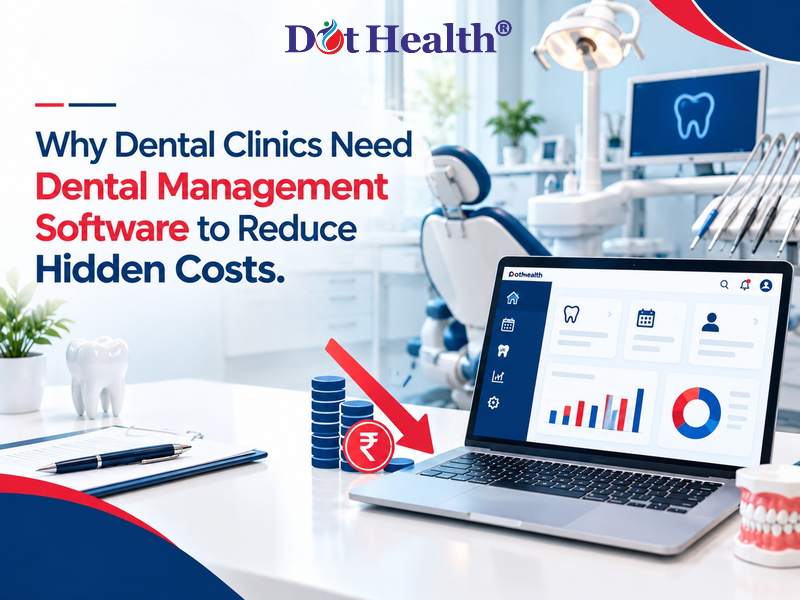
Why Dental Clinics Need Dental Management Software to Reduce Hidden Costs
Running a dental clinic involves more than providing quality dental treatments. Behind every patient consultation, dental procedure, and follow-up appointment, several administrative and operational activities influence the clinic's financial performance.
While dental clinics often focus on visible expenses such as equipment, staff salaries, and treatment materials, many hidden costs go unnoticed. Missed appointments, billing errors, inefficient inventory management, delayed payments, and repetitive administrative work can gradually affect profitability.
These expenses may appear small individually, but their combined impact can be significant over time.
This is where Dental Management Software becomes valuable.
By connecting patient records, appointment scheduling, treatment management, billing, and inventory operations, dental clinics can improve daily efficiency and gain better control over operational expenses.
With connected healthcare solutions such as DotHealth, dental clinics can move towards more organised digital workflows while reducing unnecessary administrative work.
What Are Hidden Costs in Dental Clinic Operations?
Hidden costs are expenses or financial losses that are not always visible in a clinic's regular expense reports.
Unlike direct costs such as dental instruments, rent, and salaries, hidden operational costs often result from inefficient processes.
Common examples include:
- Missed appointments and unused chair time
- Manual billing mistakes
- Excessive administrative workload
- Expired or unused dental materials
- Duplicate patient records
- Delayed payment collection
- Inefficient treatment follow-ups
- Poor visibility into clinic expenses
Without a connected Dental Clinic Management System, these issues may remain unnoticed until they begin affecting clinic revenue and patient satisfaction.
Understanding where these costs originate is the first step towards controlling them.
1. Missed Appointments and Unused Chair Time
Appointment management is one of the most important aspects of dental clinic operations.
When patients miss scheduled appointments or cancel without sufficient notice, the clinic may lose valuable treatment time.
For example, a dentist may reserve an hour for a root canal procedure. If the patient does not arrive, the clinic may struggle to fill that appointment slot at short notice.
Repeated scheduling gaps can reduce productivity and affect revenue opportunities.
How Dental Management Software Helps
A Dental Appointment Scheduling Software solution can help clinics manage appointment bookings, rescheduling, cancellations, and follow-up schedules from one system.
Depending on the available features, digital appointment management can support:
- Centralised appointment calendars
- Appointment status tracking
- Follow-up scheduling
- Automated appointment reminders
- Better visibility into available time slots
By improving scheduling coordination, dental clinics can reduce avoidable appointment gaps and make better use of available chair time.
2. Manual Billing Errors and Revenue Leakage
Dental treatments often involve multiple procedures, consultation charges, materials, and follow-up services.
Managing these charges manually increases the possibility of billing mistakes.
Common billing problems include incorrect treatment charges, missed billing entries, duplicate invoices, and difficulties tracking outstanding payments.
Even small billing errors can affect the clinic's financial performance when they occur frequently.
How Dental Billing Software Helps
A connected Dental Billing Software solution helps clinics maintain more organised treatment and billing records.
Digital billing workflows can support accurate invoice preparation, payment tracking, and easier access to transaction information.
When treatment information and billing are connected, clinic staff can reduce repeated data entry and improve charge visibility.
This helps dental clinics maintain better financial records and identify billing-related issues before they become recurring problems.
3. Excessive Administrative Workload
Dental clinic staff handle numerous activities every day, including patient registration, appointment booking, record updates, billing, and follow-up coordination.
When these processes depend on separate registers or spreadsheets, employees may spend considerable time repeating information.
For example, patient details recorded during registration may need to be entered again for treatment documentation and billing.
Such repetitive activities increase administrative workload and leave less time for patient-facing tasks.
How Digital Dental Clinic Software Helps
A Dental Patient Management System can maintain relevant patient information within a centralised digital environment.
This helps authorised staff access records without repeatedly searching through physical documents.
Digital workflows can also reduce duplication between patient registration, treatment records, and administrative activities.
As a result, dental teams can focus more attention on patient coordination and clinic operations.
4. Dental Inventory Wastage and Unnecessary Purchases
Dental clinics use various consumables and materials, including gloves, impression materials, restorative materials, sterilisation supplies, and other treatment-related products.
Without proper inventory monitoring, clinics may purchase materials that are already available or fail to identify products approaching expiry.
Poor stock visibility can also lead to unexpected shortages during treatment.
How Dental Inventory Management Helps
A connected Dental Inventory Management System can help clinics maintain records of purchased materials, available stock, and inventory movement.
Useful inventory management practices include:
- Monitoring available quantities
- Recording material purchases
- Reviewing stock consumption
- Identifying low-stock items
- Tracking expiry dates where applicable
- Planning purchases according to actual requirements
When dental inventory is connected with purchasing and other clinic operations, administrators can make more informed procurement decisions.
This helps reduce avoidable wastage and unnecessary stock accumulation.
5. Disconnected Patient Records and Treatment History
Accurate patient information is essential for effective dental care.
Dental treatment may involve multiple visits, previous procedures, clinical observations, and planned follow-up appointments.
When records are maintained across different files or paper registers, retrieving the required information can take additional time.
Incomplete or difficult-to-access records may also create administrative confusion.
How Dental Patient Management Software Helps
A digital Dental Clinic Management Software solution can help maintain patient information, treatment documentation, and visit history in an organised format.
Authorised dental professionals can access relevant information during consultations and follow-up visits.
This supports continuity of care while reducing time spent locating records.
Centralised records also help clinics maintain better documentation and reduce unnecessary duplication.
6. Missed Follow-Ups and Incomplete Treatment Plans
Many dental procedures require multiple appointments.
Treatments such as orthodontic care, root canal therapy, dental implants, and other procedures may involve several stages.
When follow-up schedules are not properly maintained, patients may miss appointments or delay planned treatment.
This can affect treatment continuity and create scheduling difficulties.
How Dental Practice Management Software Helps
A connected Dental Practice Management Software system can help clinics maintain treatment-related appointments and follow-up information.
Depending on its capabilities, the software may support treatment plan records, scheduled visits, appointment history, and follow-up reminders.
By improving coordination between treatment planning and appointment management, dental clinics can maintain more organised patient journeys.
7. Lack of Visibility Into Clinic Financial Performance
A dental clinic may generate revenue regularly but still experience difficulty understanding where money is being spent.
Without organised billing and operational records, identifying recurring expenses or revenue gaps can become challenging.
For example, clinic administrators may need to review separate records to understand treatment revenue, pending payments, and material purchases.
How Connected Dental Management Software Helps
When billing, patient management, and inventory processes are connected, clinics can maintain more consistent operational information.
Where reporting features are available, administrators can review relevant financial and operational data to identify areas requiring attention.
This helps clinics make informed decisions about resource allocation, purchasing, and daily operations.
Manual Dental Clinic Management vs Digital Dental Management Software
|
Manual Clinic Management
|
Digital Dental Management
|
|
Paper-based patient records
|
Centralised digital patient records
|
|
Manual appointment registers
|
Digital appointment scheduling
|
|
Repeated billing entries
|
More organised billing workflows
|
|
Limited stock visibility
|
Digital inventory monitoring
|
|
Manual follow-up coordination
|
Structured follow-up management
|
|
Time-consuming record searches
|
Faster access to authorised records
|
|
Disconnected operational information
|
More connected clinic workflows
|
Digital software does not automatically eliminate every expense. However, it provides a stronger foundation for identifying inefficiencies and improving operational control.
How DotHealth Supports Dental Clinic Management
DotHealth is a healthcare management software platform designed to connect essential healthcare operations through a digital environment.
For dental clinics, managing patient information, treatment-related workflows, appointments, billing, and inventory requires coordination between different activities.
DotHealth's Dental Management capabilities, alongside its broader healthcare software ecosystem, support a connected approach to clinic operations.
Rather than relying entirely on separate registers and disconnected tools, dental clinics can use digital management workflows to organise essential operational information.
Connected Patient Management
Maintaining organised patient records helps dental professionals access relevant patient information and treatment history when needed.
Appointment and Treatment Coordination
Connecting appointment-related activities with patient management helps clinics maintain better visibility into scheduled visits and ongoing treatment workflows.
Billing and Financial Management
Organised billing records support better transaction visibility and reduce unnecessary manual recordkeeping.
Inventory Management
DotHealth's broader inventory management capabilities can support healthcare facilities in managing purchasing, stock records, and inventory-related activities.
Connected Healthcare Operations
DotHealth brings multiple healthcare management functions into a common software ecosystem, supporting better coordination between operational processes.
For dental clinics aiming to reduce hidden costs, this connected approach can help improve workflow visibility and reduce administrative inefficiencies.
How to Choose the Right Dental Management Software
Before selecting dental clinic software, clinic owners should evaluate their operational requirements.
Important considerations include:
- Patient Record Management: Can the software maintain organised patient and treatment information?
- Appointment Scheduling: Does it support the clinic's appointment and follow-up workflow?
- Billing Management: Can staff maintain accurate billing and payment records?
- Inventory Monitoring: Does it support stock tracking and purchasing requirements?
- Data Security: Are patient records protected through appropriate access controls?
- Reporting Capabilities: Can administrators access useful operational information?
- Scalability: Can the software support future clinic growth?
- Ease of Use: Can clinic staff adopt the system without unnecessary complexity?
Choosing software based on actual clinic requirements is important for achieving long-term operational benefits.
Conclusion
Hidden operational costs can gradually affect the financial performance of dental clinics.
Missed appointments, billing errors, inventory wastage, repetitive administrative tasks, and disconnected patient records may appear manageable individually, but together they can create significant operational challenges.
A connected Dental Management Software solution helps clinics organise essential workflows, maintain better visibility into daily operations, and reduce unnecessary administrative effort.
By connecting patient management, appointment scheduling, treatment coordination, billing, and inventory-related processes, dental clinics can take a more informed approach to controlling expenses.
With DotHealth's connected healthcare management software, dental clinics can work towards more organised operations while focusing on quality patient care.
Take better control of dental clinic operations with DotHealth.
For more information, visit dothealth.co.in.
Frequently Asked Questions (FAQs)
1. What is dental management software?
Dental management software is a digital solution that helps dental clinics manage patient records, appointments, treatment-related information, billing, and other administrative activities.
2. How does dental management software reduce hidden clinic costs?
It can help reduce repetitive administrative work, improve appointment coordination, minimise billing errors, and support better inventory visibility.
3. Why do small dental clinics need dental practice management software?
Small dental clinics can benefit from organised patient records, digital appointment scheduling, billing management, and reduced dependence on manual paperwork.
4. Can dental clinic software help reduce missed appointments?
Yes. Dental clinic software with appointment tracking and reminder capabilities can help clinics coordinate visits and reduce avoidable scheduling gaps.
5. How does dental inventory management help reduce wastage?
Dental inventory management helps clinics monitor available materials, identify stock requirements, and track expiry information where supported, reducing unnecessary purchases and material wastage.
6. How does DotHealth support dental clinic operations?
DotHealth provides dental management capabilities within a broader healthcare software ecosystem, helping clinics manage patient information and coordinate important administrative and operational workflows.